Leak Detection in Windsor Terrace, Brooklyn
Pinpointing concealed water, steam, and hydronic heating leaks behind historic plaster walls and subfloors using non-invasive acoustic sensors and thermal diagnostics.
In historic Windsor Terrace row houses and limestone brownstones, water leaks rarely show themselves at their true source. Water enters through a pinhole breach in a pressurized copper pipe or a failed threaded radiator joint on the second floor, travels silently along structural floor joists, and finally emerges as a damp ring on a first-floor living room ceiling thirty feet away.
Our diagnostic plumbing team specializes in non-invasive leak detection Windsor Terrace Brooklyn property owners trust. We use electronic acoustic listening gear, high-resolution infrared thermal imaging, and static pressure drop testing to locate concealed leaks before tearing into walls.
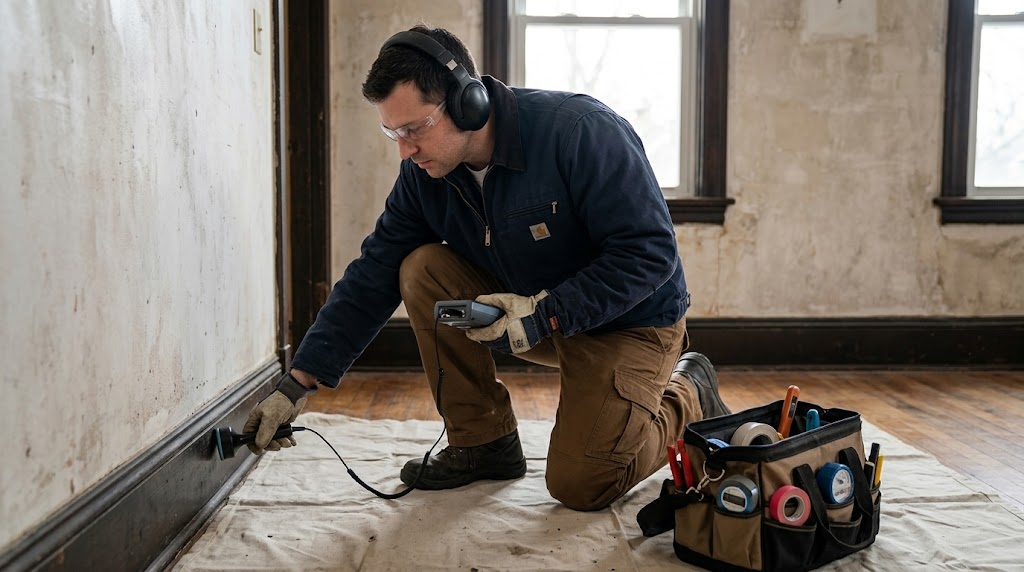
How We Pinpoint Concealed Leaks Non-Invasively
Tearing down expansive sections of historic lath-and-plaster in search of a hidden leak is costly and destructive. We follow a systematic non-destructive protocol:
Thermal Infrared Imaging
High-sensitivity thermal cameras capture subtle surface temperature variations across ceilings and walls. Leaking hot-water heating risers create distinct thermal bloom signatures, while cold-water supply leaks create cool, moisture-laden evaporation patterns.
Acoustic Electronic Listening
Pressurized water escaping a pinhole fissure produces a distinct ultrasonic vibration frequency. Our acoustic listening microphones filter out ambient neighborhood traffic noise along the Prospect Expressway to hone in on the sound of spraying water behind sheetrock.
Isolation Pressure Testing
By isolating plumbing supply zones, heating loops, and individual fixture stops with precision test gauges, we verify whether pressure decay occurs on hot domestic lines, cold lines, or closed hydronic boiler piping.
Common Concealed Leak Sources in Windsor Terrace
Decades of building settling and legacy piping materials create specific leak vulnerabilities in Brooklyn properties:
- Pinhole Copper Pitting: Aggressive municipal water chemistry or galvanic reaction with steel hangers causes microscopic pinhole perforations in domestic copper supply lines.
- Concealed Radiator Runouts: Horizontal steam supply and return pipes concealed beneath wooden parquet floors corrode at threaded fittings from acidic condensate pooling. Learn more on our radiator repair page.
- Inter-Floor Bathroom Traps: Deteriorated wax seals beneath toilets or cracked brass tub waste-and-overflow assemblies leaking dirty water onto lower-level ceilings whenever fixtures drain. See our toilet & faucet repair solutions.
- Underground Supply Leaks: Water escaping from the municipal service pipe before entering the basement foundation wall, detailed on our water service line repair page.
Controlled Access & Targeted Pipe Repair
While non-invasive diagnostic tools locate the precise point of water egress, actually repairing the plumbing breach requires creating a neat, controlled access port. By narrowing down the location to within a few inches, our technicians avoid haphazard demolition, preserving your interior molding and historic wall finishes.
If water loss affects main drain lines or sewer stacks, explore our drain cleaning services. For leaks tied directly to boiler vessels, see our boiler repair in Windsor Terrace overview.
Frequently Asked Questions About Leak Detection
Non-invasive electronic acoustic sensors and thermal infrared cameras can narrow down the breach location to within a small focal area. However, physical repair of the damaged pipe ultimately requires creating a neat, controlled access opening in the plaster or drywall.
Domestic water leaks maintain constant municipal pressure (40 to 60 PSI) around the clock. Boiler hydronic leaks show lower operating pressures (12 to 15 PSI) that correlate with heating cycles, while steam pipe leaks often occur only when the burner is firing.
Bubbling latex paint or sagging plaster indicates trapped moisture migrating through the ceiling structure, commonly originating from an upstairs bathroom shower pan, a leaking radiator angle valve, or a cracked cast-iron waste stack.
View all surrounding neighborhoods on our service areas page, or discuss your moisture concerns on our contact page.